
In many industrial processes, solid-liquid separation plays a critical role in ensuring product quality, process efficiency, and environmental compliance. One of the most widely used technologies for this purpose is the filter press, and at the heart of its performance lies a crucial component — the filter press cloth.
Filter press cloths may appear simple, but their design, material selection, and construction directly influence filtration rate, cake release, clarity of filtrate, and cloth lifetime. In industries such as mining, chemicals, pharmaceuticals, food processing, and wastewater treatment, selecting the right filter cloth can significantly improve operational efficiency and reduce downtime. This article explores the role of filter press cloths, how they work, and how the right selection can optimize filtration performance across industrial applications.

Understanding Filter Press Filtration
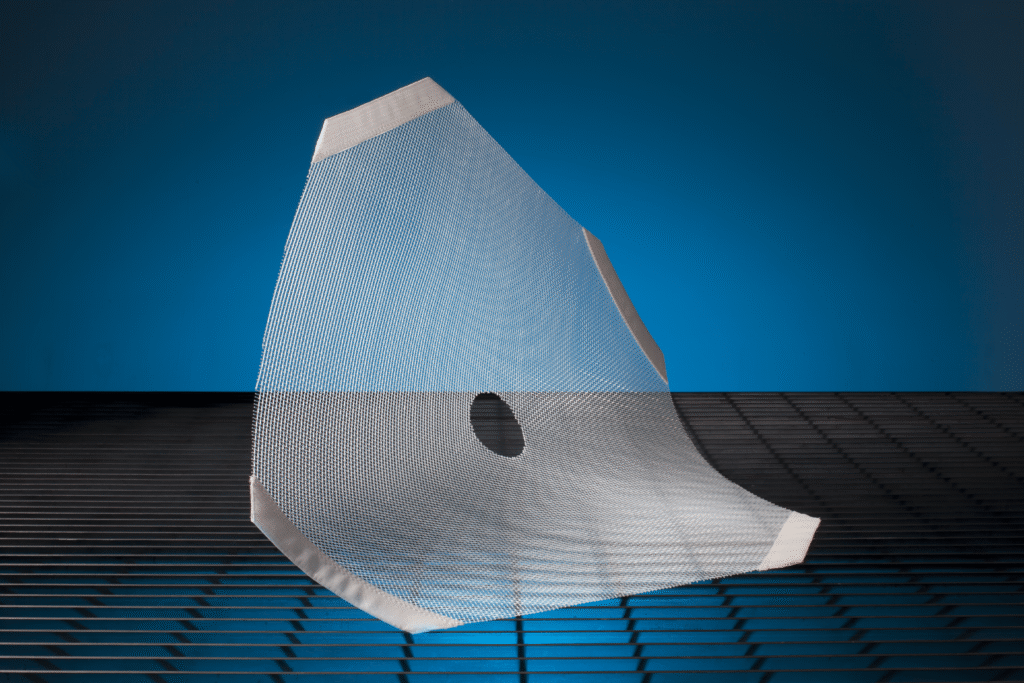
A filter press is a pressure filtration system designed to separate solids from liquids. It consists of a series of plates covered with filter cloths. When slurry is pumped into the press, the liquid passes through the filter cloth while the solid particles are retained, forming a filter cake. The process involves several steps:
The filter press cloth acts as the primary filtration medium, determining how effectively solids are captured and how easily the cake can be removed.
The performance of a filter press is heavily dependent on the quality and characteristics of the filter cloth. A well-designed cloth ensures optimal filtration by balancing several key factors:
Filtration Efficiency
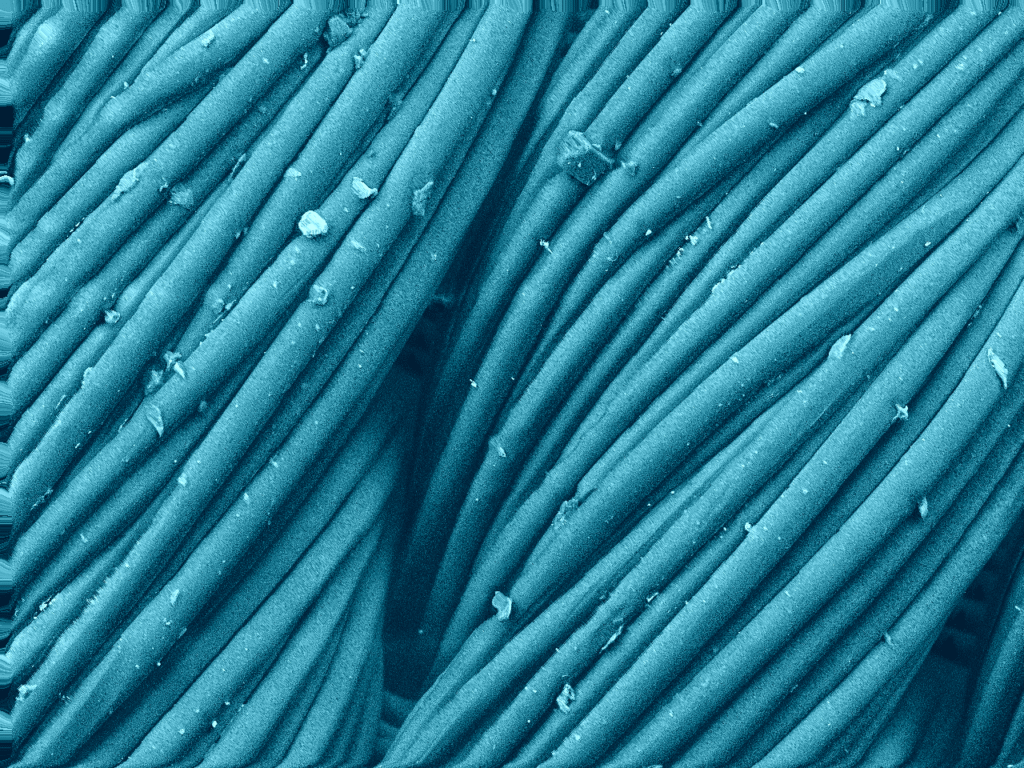
Filter cloths must retain solid particles while allowing liquid to pass through efficiently. The pore size and weave structure of the fabric control particle retention and filtrate clarity. In industries such as chemical processing or pharmaceutical production, achieving high filtrate clarity is critical to maintaining product quality.
Filtration Speed
The permeability of the cloth influences the filtration rate. If the fabric is too dense, filtration becomes slow. If it is too open, solids may pass through. The right balance ensures high throughput without compromising separation efficiency.
Cake Release
One of the most common operational challenges in filtration is poor cake release. When the cake sticks to the cloth surface, it leads to longer cleaning cycles and increased downtime. Specially engineered filter cloth surfaces help ensure smooth cake discharge, improving productivity.
Cloth Durability
Industrial filtration environments can be harsh, involving abrasive particles, chemicals, and high pressures. The filter cloth must withstand these conditions without losing performance. High-quality filter fabrics are designed to provide long service life and consistent filtration performance.
Choosing the right filter cloth requires understanding both the process conditions and filtration objectives. Several factors influence the selection:
Fabric Material
The material must be compatible with the chemical composition and temperature of the slurry.
Fabric Construction
The weave pattern of the cloth determines its filtration behavior. Common weave structures include:
Selecting the appropriate fabric construction ensures optimal filtration performance for specific processes.
Pore Size and Permeability
The pore structure controls particle retention and filtration flow rate. Fine particles require tighter fabrics, while coarser slurries benefit from more open structures. Proper pore selection prevents cloth blinding and excessive pressure buildup.
Plate Compatibility
Filter cloths must be designed to fit the specific filter press plate type, including:
Proper cloth fitting ensures uniform filtration and prevents leakage.
Industrial filtration processes often face challenges that can reduce efficiency. The right filter cloth design can help address these issues.
Cloth Blinding
Over time, particles may become trapped within the fabric pores, reducing permeability. Modern filter fabrics are designed to minimize pore clogging and allow easier cleaning, maintaining consistent filtration rates.
Poor Cake Discharge
Sticky or fine particles can cause cakes to adhere to the cloth surface. Special surface treatments and optimized fabric structures improve cake release characteristics, reducing manual intervention.
Short Cloth Life
In mining and mineral processing, abrasive particles can wear out fabrics quickly. High-strength synthetic fibers and optimized weave patterns help extend cloth durability and reduce replacement frequency.
Filter press cloths are widely used across multiple industries where solid-liquid separation is essential.
Mining and Mineral Processing
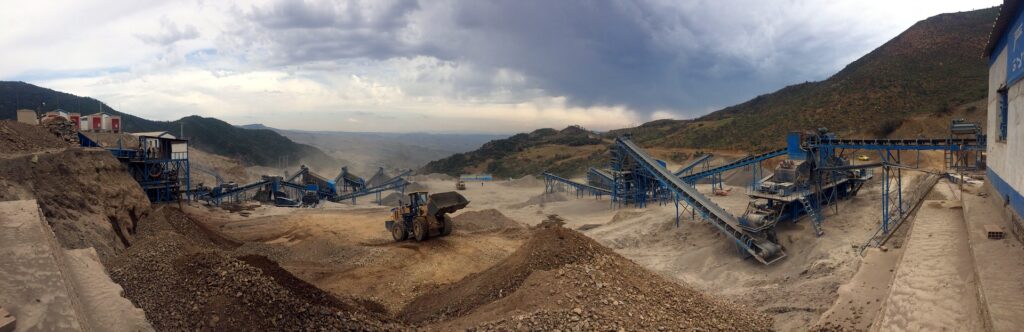
In mining operations, filter presses are used to dewater mineral concentrates and tailings. Filter cloths must handle abrasive particles and high filtration pressures while maintaining performance.
Chemical Processing
Chemical plants rely on filtration for product purification and process separation. Cloth materials must be chemically resistant and capable of producing clear filtrate.
Food and Pharmaceutical Industries
In these sectors, filtration plays a role in maintaining product purity and safety. Specialized food-grade fabrics ensure compliance with hygiene standards.
Environmental Applications
Filter presses are also used in wastewater treatment and sludge dewatering, helping industries manage environmental regulations and reduce waste disposal costs.

Selecting the right filter press cloth requires not only the right fabric but also application expertise. Every process has unique characteristics, and filtration performance depends on understanding slurry properties, operating conditions, and equipment configuration.
Working with filtration experts helps ensure that the filter cloth design is tailored to the specific application, delivering optimal performance and long-term reliability.
Filter press cloths are a critical component in solid-liquid separation processes across industries such as mining, chemical, pharmaceuticals, and wastewater treatment. Their material, construction, and design directly influence filtration efficiency, cake release, and operational productivity. By selecting the right filter fabric and optimizing its design for specific process conditions, companies can improve filtration performance, reduce downtime, and enhance overall process efficiency.
In an increasingly competitive industrial landscape, advanced filtration solutions play an essential role in ensuring reliable, efficient, and sustainable operations
Let your network know; share this blog on LinkedIn!

Looking for more detailed information on Filter Press Cloth? Explore our brochure to learn about Clear Edge’s filtration expertise, product range, and how our solutions support industrial filtration processes across a wide range of applications.
Download the Filter Press Cloth Brochure!

Nonwoven Filter Cloth for Efficient Kaolin Filtration Understanding the Role of Filtration in Kaolin Processing Kaolin filtration is a critical stage in producing high-quality kaolin products used in paints, ceramics, paper, and specialty applications. After mining and initial classification, kaolin slurry undergoes several wet processing steps such as washing, magnetic separation, and bleaching to improve […]
Author:
Date: 2026-05-20
View More

Filter Press Cloth: The Key to Efficient Filtration in Mining, Chemical, and Industrial Processes. In many industrial processes, solid-liquid separation plays a critical role in ensuring product quality, process efficiency, and environmental compliance. One of the most widely used technologies for this purpose is the filter press, and at the heart of its performance lies […]
Author:
Date: 2026-03-18
View More

Introduction As we enter 2025, the filtration industry is gearing up for game-changing advancements that promise to transform the processes and workflows of the mining and chemical industries. From advancements in polymer and yarn technology to embracing AI-driven filtration solutions, the industry is adopting smarter, more sustainable, and more efficient systems. The filtration industry is […]
Author:
Date: 2025-01-02
View More
